
Frying salmon in the air fryer means listening for that initial sizzling sound, then waiting for the skin to crackle and turn crispy without any fuss. It’s about managing the timing so the flesh stays moist while the outside gets that satisfying crunch.
The messy part is rubbing the skin with oil and seasoning, trying not to spill lemon juice everywhere. Once in the basket, it cooks quickly—no flipping, no babysitting—just a steady, hot whirl that does the work for you.
The satisfying crackle of the salmon skin as it hits the hot air in the fryer, turning crispy and golden with a smoky edge.
What goes into this dish
- Salmon fillet: I look for skin-on, firm and bright — it crisps up nicely. Swap with cod or trout if you prefer a milder fish that cooks faster.
- Olive oil: I brush a light coat for that shiny, crisp skin. Use avocado oil for a higher smoke point or skip if you’re watching calories.
- Lemon: I zest and juice for bright, punchy flavor—freshness that cuts through the richness. Lime can mimic the citrus vibe if lemons run out.
- Garlic: Minced fresh garlic adds that pungent, fragrant layer. Dried garlic powder can be a quick substitute, but it’s less vibrant.
- Salt and pepper: I season generously, the salt helps the skin crisp and enhances flavor. Celtic sea salt offers a softer crunch; regular table salt works fine too.
- Herbs (like parsley or dill): I sprinkle fresh herbs after cooking for a burst of green and freshness. Dried herbs can work, but they won’t have the same aroma.
- Optional: a splash of white wine or a drizzle of honey before cooking can add depth or a touch of sweetness—experiment to match your mood.
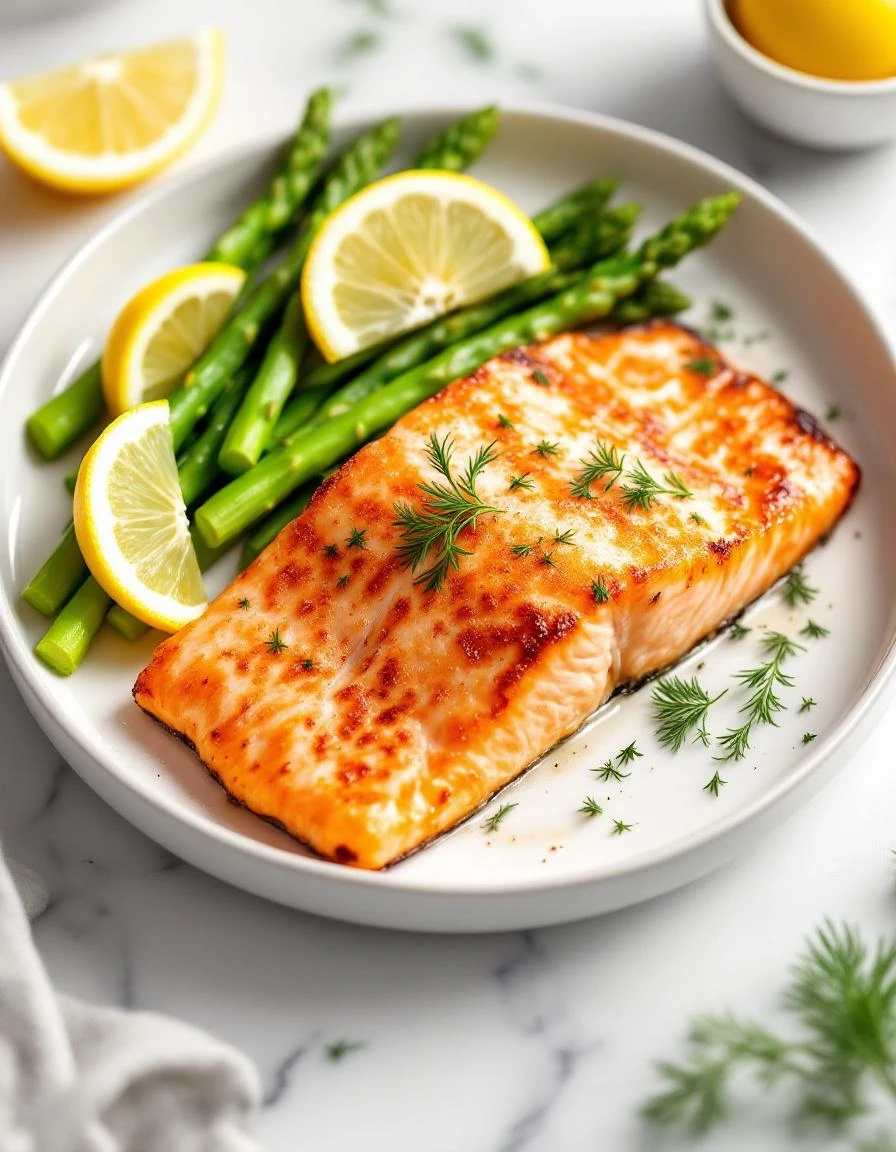
Air Fryer Crispy Salmon
Ingredients
Equipment
Method
- Begin by patting the salmon fillets dry with a paper towel, then use a microplane to zest the lemon over the fish for a bright aroma.
- Juice half of the lemon and set the juice aside; sprinkle salt and pepper generously over the skin and flesh, then rub the minced garlic into the flesh side.
- Brush a thin layer of olive oil over the skin of each fillet, ensuring it’s evenly coated to help achieve that crispy texture.
- Place the seasoned fillets skin-side down in the air fryer basket, making sure they aren’t touching for even cooking.
- Set the air fryer to 400°F (200°C) and cook for about 8-10 minutes, until the skin is deeply golden and crispy, and the flesh flakes easily when tested with a fork.
- Once cooked, carefully remove the salmon from the air fryer and transfer to a serving plate. Squeeze the remaining lemon juice over the top and sprinkle with chopped fresh herbs.
- Serve immediately, enjoying the crispy skin and tender, flavorful flesh with a side of your choice.
Common mistakes and how to fix them
- FORGOT to preheat the air fryer, resulting in uneven cooking. FIX by letting it reach the desired temperature first.
- DUMPED too much oil on the fish, making it greasy. FIX by using a light brush or spray for even coating.
- OVER-TORCHED the salmon skin, causing bitterness. FIX by checking early and removing promptly.
- MISSED the lemon zest, losing brightness in flavor. FIX by zesting before juicing to avoid mess and ensure freshness.
Make-Ahead and Storage Tips
- Prep the lemon garlic marinade and season the salmon a day ahead. Keeps flavors fresh and penetrates better overnight.
- Store the seasoned fish in an airtight container in the fridge for up to 24 hours. Salmon may lose some moisture if left too long.
- The lemon-garlic flavor intensifies slightly after a day, becoming more punchy. Expect the fish to be slightly firmer once cooked.
- Reheat cooked salmon gently in the oven or air fryer at low temperature. Check for flakiness and avoid overcooking, which makes it dry and crumbly.
FAQs
1. How does the salmon skin turn out crispy?
The salmon skin gets crispy and crackly, with a smoky scent that fills the kitchen as it cooks. The flesh stays moist and flaky inside, contrasting with that satisfying crunch.
2. Why does the lemon smell so vivid in this recipe?
Using fresh lemon juice and zest creates a bright, tangy aroma that hits your nose just when you bite. If you only have bottled lemon, add extra zest to compensate.
3. How can I tell when the salmon is perfectly cooked?
Overcooking makes the salmon dry and tough, while undercooking leaves it mushy and raw. Aim for a golden crust and flesh that flakes easily with a fork.
4. What’s the right amount of oil for this dish?
Adding too much oil can make the skin greasy and heavy. Use a light spray or brush to keep it crisp but not oily. Too little oil, and the skin may stick or not crisp well.
5. How do I reheat leftover salmon without losing texture?
Reheat gently in the air fryer or oven at low temp until just warmed through and the skin regains some crispness. Avoid microwaving, which can make the flesh rubbery and lose texture.

Hi, I’m Katie Dawson, the owner, cook, and storyteller behind Little More Lovely. I run a small café in a cozy corner of Seattle, where the smell of freshly baked bread meets the hum of neighborhood chatter. I’ve spent years learning how food can bring people together, both as a professional and as someone who loves to share meals with family and friends.