
This Shrimp Cajun Pasta is my go-to when I want something bold but balanced, a dish that hits all the right notes without feeling heavy. I love how the spicy Cajun seasoning contrasts with the sweet, tender shrimp—each bite a little burst of flavor that keeps me coming back for more. It’s perfect for those nights when I crave comfort, but also want something lively on my plate.
What makes this recipe stand out is how easily it comes together with ingredients I always keep on hand. No fancy sauces or complicated steps—just a quick sizzle of shrimp in a smoky spice blend, then stirred into creamy pasta. It’s a dish that feels indulgent but is honestly pretty straightforward, making it a reliable choice for any weeknight or impromptu dinner.
Focusing on how to balance the bold Cajun spices with the delicate sweetness of shrimp, creating a dish that feels indulgent yet vibrant, perfect for cozy nights or a spontaneous dinner with friends.
Balancing Spice and Sweetness
- This dish brings back memories of late summer evenings by the bay, where the air was thick with smoky spices and laughter.
- I love how a splash of that spicy Cajun seasoning can turn simple shrimp and pasta into something unexpectedly vibrant and comforting.
- There’s a small thrill in perfecting that balance—just enough heat to wake up your taste buds without overwhelming the sweetness of the shrimp.
- It’s my secret weapon for impressing friends on a weeknight, when I want bold flavors without spending hours in the kitchen.
- Nothing beats the smell of garlic, paprika, and smoky spices mingling in the pan—pure cozy chaos on a busy night.
The spark behind this dish
- This dish came about one chaotic night when I needed something quick, spicy, and satisfying—all at once. I remember rummaging through my fridge, spotting that bag of frozen shrimp and a jar of Cajun seasoning I’d been meaning to use up. The smell of garlic and paprika hit me as I started sautéing, and suddenly it felt like I’d recreated a little slice of spice-laden New Orleans in my own kitchen.
- It’s one of those recipes born from necessity but turned into a small celebration of bold flavors. I love how it’s become my go-to for those nights when I want something comforting but with a kick of heat. Every time I make it, I think about how simple ingredients can come together to create something unexpectedly lively and full of personality.
- heading: The spark behind this dish
Cajun Spices and Seafood Fusion
- This dish has roots in Louisiana’s Cajun country, where bold spices meet simple seafood dishes.
- The combination of shrimp and spicy seasoning became popular in the late 20th century as a quick, flavorful dinner option.
- Cajun seasoning blends are a mix of paprika, cayenne, garlic, and herbs, historically created by French-speaking Louisiana cooks.
Ingredient breakdown: key components
- Shrimp: I prefer peeled, deveined, and tail-on for easier eating and a more polished look. The sweet, briny scent really comes through when they cook. If you want less fuss, go for tail-off, but keep in mind you’ll lose that visual pop.
- Cajun Seasoning: I make my own blend with paprika, cayenne, garlic powder, and thyme—smoky and spicy, but you can buy pre-mixed. Adjust the cayenne for heat or skip to keep it milder if you prefer less kick.
- Pasta: I like using fettuccine or linguine for their sauce-holding ability. Cook to al dente, about 8-10 minutes in salted boiling water. For a gluten-free version, try rice pasta—just watch the cooking time for that delicate texture.
- Garlic: I use fresh cloves, minced finely. The aroma should be pungent and fragrant, almost nutty when it hits the hot oil. If you only have garlic powder, use a teaspoon, but fresh makes a real difference.
- Cream: I use heavy cream for richness, that silky, velvety texture. If you want a lighter touch, swap half with milk, but expect the sauce to be less lush. Watch for a gentle simmer to prevent curdling.
- Olive Oil: I go for good-quality extra virgin; it adds a fruity, aromatic base. If it’s too strong, switch to avocado oil for a milder note. The oil should shimmer when the garlic hits the pan—don’t let it smoke too much.
- Lemon: I add fresh lemon juice at the end, brightens up the spices and cuts through the richness. Squeeze just before serving for that zesty pop—if you only have bottled lemon, add a splash and taste for brightness.
Spotlight on key ingredients
Shrimp:
- I prefer peeled, deveined, and tail-on for easier eating and a more polished look. The sweet, briny scent really comes through when they cook. If you want less fuss, go for tail-off, but keep in mind you’ll lose that visual pop.
- Cajun Seasoning: I make my own blend with paprika, cayenne, garlic powder, and thyme—smoky and spicy, but you can buy pre-mixed. Adjust the cayenne for heat or skip to keep it milder if you prefer less kick.
Cajun Seasoning:
- I make my own blend with paprika, cayenne, garlic powder, and thyme—smoky and spicy, but you can buy pre-mixed. Adjust the cayenne for heat or skip to keep it milder if you prefer less kick.
- Pasta: I like using fettuccine or linguine for their sauce-holding ability. Cook to al dente, about 8-10 minutes in salted boiling water. For a gluten-free version, try rice pasta—just watch the cooking time for that delicate texture.
Notes for ingredient swaps
- Seafood Swap: Crab or scallops can replace shrimp for a more luxurious feel, but watch cook times and adjust seasoning accordingly.
- Dairy-Free: Coconut milk or cashew cream can stand in for heavy cream. Expect a slightly sweeter, richer flavor with a tropical twist.
- Pasta Alternatives: Zucchini noodles or spaghetti squash work well if you’re avoiding gluten or want a lighter option. Cook briefly to keep texture firm.
- Spice Level: Adjust Cajun seasoning or swap with smoked paprika and a pinch of cayenne for milder heat or smoky depth.
- Lemon: Lime juice offers a similar brightness but adds a slightly different citrus note. Use fresh for the best zing.
- Oil Choice: Avocado oil or light sesame oil can replace olive oil, adding subtle flavor and high smoke point, great for searing.
- Herbs & Greens: Fresh parsley or green onions add freshness—if out, basil or cilantro can bring a different but vibrant flavor.
Equipment & Tools
- Large skillet: To sear shrimp and make the sauce.
- Pasta pot: To cook the pasta evenly.
- Tongs: To turn shrimp and toss pasta.
- Whisk: To blend the cream and spices smoothly.
Step-by-step guide to Cajun Pasta
- Gather all equipment: a large skillet, pasta pot, tongs, and a whisk. Fill the pasta pot with salted water (about 4L/1 gallon) and bring to a rolling boil at 100°C/212°F.
- Cook pasta: Add pasta to boiling water. Cook until al dente, about 8-10 minutes. Drain and set aside, reserving ½ cup of pasta water.
- Prep shrimp: Pat shrimp dry with paper towels. Season with 1 tablespoon Cajun spice blend, toss to coat evenly.
- Heat skillet: Place a large skillet over medium-high heat (around 200°C/390°F). Add 1-2 tbsp olive oil, swirl to coat.
- Sear shrimp: Add shrimp in a single layer. Cook for 2-3 minutes per side until pink, opaque, and slightly caramelized. Remove and set aside.
- Make sauce: In the same skillet, add 1 tbsp olive oil if needed. Add minced garlic, cook for 30 seconds until fragrant but not burnt. Stir in remaining Cajun seasoning, cook for 30 seconds to toast spices.
- Add liquids: Pour in ½ cup heavy cream, bring to a gentle simmer. Add lemon juice, stir. If sauce thickens too much, loosen with reserved pasta water, a tablespoon at a time.
- Combine pasta and shrimp: Toss cooked pasta into the sauce. Stir in shrimp, coat well. Cook for 1-2 minutes to heat through. Check seasoning, add salt or pepper if needed.
- Finish: Turn off heat. Garnish with chopped parsley or green onions if desired. Serve immediately with lemon wedges.
Serve immediately, garnished with herbs and lemon wedges. No resting needed—this dish is best hot and fresh.
How to Know It’s Done
- Shrimp are pink, opaque, and slightly firm when pressed gently.
- Sauce is creamy, coats pasta evenly, with a bright, smoky aroma.
- Pasta is al dente, with a slight chew, not mushy or undercooked.
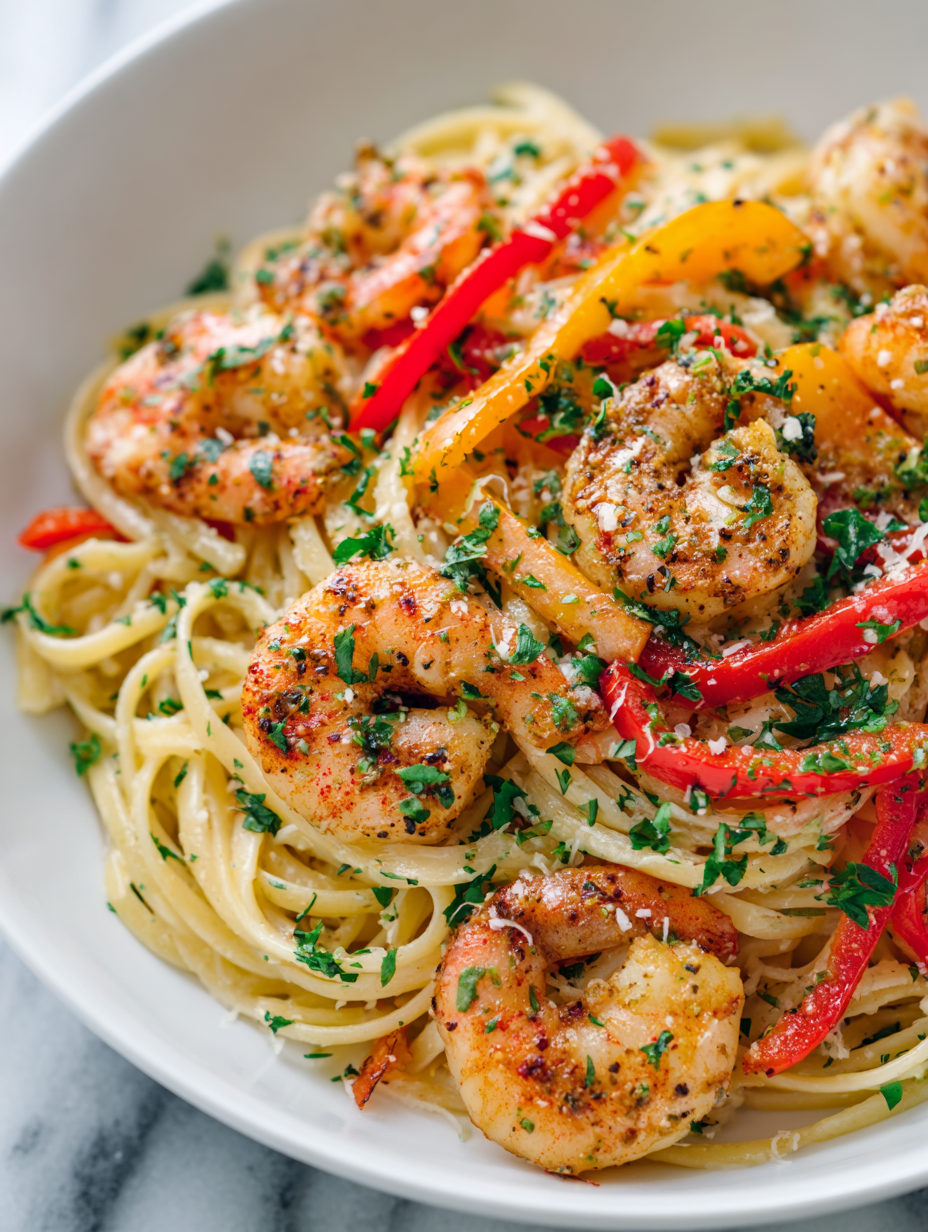
Shrimp Cajun Pasta
Ingredients
Equipment
Method
- Bring a large pot of salted water to a rolling boil and cook the pasta until al dente, about 8-10 minutes. Drain and set aside, reserving a little pasta water.
- Pat the shrimp dry and toss with about 1 tablespoon of Cajun seasoning until evenly coated.
- Heat a large skillet over medium-high heat, add 1 tablespoon olive oil, and swirl to coat the pan. Add the seasoned shrimp in a single layer and cook for 2-3 minutes per side until they turn pink, opaque, and slightly caramelized. Remove and set aside.
- In the same skillet, add the remaining tablespoon of olive oil and minced garlic. Cook for about 30 seconds until fragrant, being careful not to burn it.
- Stir in the remaining Cajun seasoning (if any) and cook for another 30 seconds to toast the spices, releasing their smoky aroma.
- Pour in the heavy cream, stirring constantly with a whisk until the mixture begins to bubble gently. Add the lemon juice and stir to brighten the sauce.
- Toss the cooked pasta into the skillet, stirring to coat it evenly in the creamy Cajun sauce. If the sauce feels too thick, add a splash of reserved pasta water to loosen it up.
- Gently fold in the cooked shrimp, allowing them to reheat and absorb the flavors, about 1-2 minutes.
- Remove from heat, garnish with chopped parsley or green onions, and serve immediately with lemon wedges for an extra burst of brightness.
Notes
Tips & Tricks for Perfect Cajun Pasta
- Spice: Toast your Cajun seasoning briefly in the pan to deepen its smoky flavor.
- Garlic Aroma: Add garlic last in the sauce to prevent burning and preserve its pungency.
- Shrimp Sizzle: Sear shrimp over high heat until just pink; overcooking makes them rubbery.
- Cream Stability: Simmer cream gently—boiling too hot can cause it to split or curdle.
- Pasta Sauce: Use reserved pasta water to loosen and enrich your sauce, adding a silky texture.
- Lemon Brightness: Squeeze lemon juice off heat to preserve its fresh, zesty aroma.
- Quick Finish: Toss everything together just before serving for the freshest texture and flavor.
Common mistakes and how to fix them
- FORGOT to adjust seasoning: Taste and tweak spices before adding pasta, balance is key.
- DUMPED in all liquid at once: Add liquids gradually, stir constantly for smooth sauce.
- OVER-TORCHED shrimp: Cook shrimp until just pink, avoid rubbery texture.
- SKIPPED resting: Serve immediately for best flavor and texture, don’t let it sit too long.
Quick Fixes & Pantry Swaps
- When sauce is too thick, splash in hot pasta water to loosen it up.
- Splash lemon juice at the end to brighten dull flavors instantly.
- Patch overcooked shrimp with fresh herbs and a squeeze of lemon for added freshness.
- Shield delicate shrimp from overcooking by removing from heat as soon as pink.
- If spices are muted, open a new jar of Cajun seasoning for a more vibrant kick.
Prep, store, and reheat tips
- Prep the shrimp: Peel and devein ahead of time, keeping them chilled in an airtight container for up to 24 hours. The fresh scent of shrimp still brightens the fridge.
- Cook the pasta: Boil until just al dente, then drain and toss with a little oil to prevent sticking. Store in a sealed container for up to 2 days; reheating will soften it slightly but still good.
- Make the spice blend: Mix Cajun spices in advance and keep in an airtight jar. It keeps well for weeks, intensifying flavors over time.
- Reheat gently: Warm leftovers in a skillet over low heat or in short bursts in the microwave. Expect the sauce to thicken; stir in a splash of water or lemon juice to loosen and freshen the flavor.
- Flavor changes: The spices deepen overnight, making the dish more robust. Shrimp can become slightly firmer, so reheat just until warmed through for best texture.
Top questions about Shrimp Cajun Pasta
1. Should I use fresh or frozen shrimp?
Use fresh or frozen shrimp, but ensure they’re peeled and deveined for quick cooking and easy eating. Fresh shrimp smell sweet and briny, while frozen should be fully thawed and patted dry to avoid excess water.
2. How spicy is this dish supposed to be?
Adjust the Cajun seasoning to your heat preference. Start with a teaspoon, taste, then add more if you want spicier. The spices release a smoky aroma when toasted, so don’t skip that step.
3. What pasta works best for this recipe?
Cook pasta until just al dente, about 8-10 minutes. Drain, then toss with a little olive oil to prevent sticking. For gluten-free, rice or corn-based pasta works but may need slightly less cooking time.
4. How do I prevent the sauce from splitting?
Make the sauce in the same skillet after searing shrimp. Add garlic, spices, then cream. Keep the heat moderate to avoid curdling. The sauce should be silky and fragrant, with a smoky undertone.
5. When should I add lemon juice?
Add lemon juice at the very end, off heat, to keep the bright, citrus note lively. It cuts through the richness and enhances the smoky spices. Use fresh lemon for the best zing.
6. Can I make this without heavy cream?
If you don’t have heavy cream, swap with half-and-half or coconut milk for a lighter or dairy-free option. Expect a slightly thinner sauce with less indulgence but still flavorful.
7. What oil should I use?
Use a good-quality olive oil with a fruity aroma. It should shimmer when added to hot pan. If it smokes excessively, turn down the heat to avoid burning the garlic and spices.
8. Can I add other herbs or greens?
Garnish with fresh herbs like parsley or green onions to add a burst of freshness and color. They should be added just before serving to preserve their flavor and texture.
9. How do I know when shrimp are done?
Overcooking shrimp makes them rubbery and tough. Sear each side for 2-3 minutes until pink and opaque. Remove from heat promptly to keep their tender texture.
10. What if the sauce is too thick?
If the sauce gets too thick, splash in reserved pasta water or a little broth to loosen it. For instant fix, a quick squeeze of lemon brightens and refreshes the dish.
This dish is a perfect balance of bold spice and sweet shrimp, making it a satisfying choice for any night. The smoky aroma and creamy sauce bring a comforting yet lively vibe to the table. It’s a reminder that simple ingredients, when treated right, can create something truly memorable.
Whenever I make this Cajun pasta, I feel a rush of satisfaction from how quickly it comes together and how deeply flavorful it turns out. It’s one of those recipes I keep coming back to, especially when I want something honest and full of personality. A plate of this always feels like a small celebration of good, honest cooking.

Hi, I’m Katie Dawson, the owner, cook, and storyteller behind Little More Lovely. I run a small café in a cozy corner of Seattle, where the smell of freshly baked bread meets the hum of neighborhood chatter. I’ve spent years learning how food can bring people together, both as a professional and as someone who loves to share meals with family and friends.