
This recipe is born out of those evenings when I want something rich and satisfying but don’t have hours to spend in the kitchen. It’s about taking a handful of everyday ingredients—shrimp, butter, garlic—and turning them into a dish that feels indulgent without the fuss. The magic lies in that silky butter sauce, which coats every bit of pasta with a fragrant, velvety finish.
There’s a cozy charm in how this dish transforms simple, quick-cook ingredients into a meal that feels special. It’s perfect for weeknights when time is tight but I still want to treat myself. The aroma of garlic sizzling in butter, combined with tender shrimp, makes the kitchen smell like a little celebration, even on the busiest nights.
Honestly, I keep coming back to this recipe because it’s a reminder that you don’t need fancy stuff or complicated techniques to make a comforting, memorable dinner. Just a few honest ingredients, cooked with care, and a moment to savor the process. It’s a dish that feels both practical and a little luxurious—my kind of home cooking.
This recipe is inspired by those rushed weeknights when I crave something rich and comforting, but don’t want to spend hours in the kitchen. It’s about turning simple ingredients into a luxurious, cozy dish that feels indulgent yet straightforward. The secret is in the buttery sauce—silky, fragrant, and just enough to coat every strand of pasta without overwhelming.
Turning simple ingredients into comfort
- This dish is my go-to when I need comfort fast, the buttery sauce feels like a warm hug after a long day.
- Cooking this reminds me of cozy family dinners, where simple flavors come together in a messy, perfect way.
- I love how the aroma of garlic and butter fills the kitchen — it’s a little moment of happiness, no matter how busy the night.
- Sharing this with friends always sparks a sense of pride — it’s honest, straightforward, and delicious in the best way.
Turning simple ingredients into comfort
- This recipe came together on a night when I had a handful of shrimp and an urgent craving for something creamy yet quick. I wanted a sauce that wasn’t just butter but had enough richness to carry the dish without feeling heavy. The idea of blending a simple butter base with fragrant garlic and tender shrimp felt like a cozy secret I could share on busy nights.
- It’s a dish that’s been shaped over years of late-night experiments—each tweak, a little more garlic, a touch of lemon, a splash of white wine—until it felt just right. I love how the butter melts into the pasta, creating a silky coating that’s almost addictive. It’s honest food, meant to be enjoyed in those fleeting moments when comfort is the only goal.
- heading: Turning simple ingredients into comfort
Historical and Cultural Roots
- This dish feels like a modern take on classic Italian seafood pasta, blending rich butter with the fresh sweetness of shrimp.
- The use of butter in pasta sauces dates back centuries in Italian coastal regions, where dairy was abundant and fresh seafood was a staple.
- In some coastal towns, this simple butter-based sauce was traditionally prepared with local lemon and herbs, creating a bright, fragrant finish.
- The idea of combining seafood with butter sauce gained popularity in the mid-20th century when creamy, indulgent pasta dishes became trendy in American homes.
Ingredient breakdown: key components
- Shrimp: I prefer large, deveined, tail-off shrimp—they sear beautifully and stay juicy, giving a sweet, briny pop with each bite. If yours are smaller, just adjust cook time so they don’t overcook.
- Butter: I use unsalted, high-quality butter for that rich, velvety sauce—nothing beats that nutty aroma when it melts. If you only have salted, cut back on the added salt in the dish.
- Garlic: Fresh garlic is essential here—its pungent aroma intensifies as it cooks, filling the kitchen with a cozy smell. If you’re in a pinch, pre-minced works but loses some punch.
- Lemon: I love a splash of lemon juice at the end—it brightens the sauce and balances the richness. Skip it if you prefer a more mellow, buttery flavor, but don’t omit entirely if you want that zing.
- Pasta: I recommend spaghetti or linguine—long strands hold the sauce best. For a gluten-free option, try rice noodles; they soak up the sauce differently but still lovely. Cook al dente, so it doesn’t turn mushy when coated.
- Parsley: Fresh parsley adds a pop of color and herbal brightness. If you’re out, basil or chives work well, but skip dried—fresh is key for that vibrant finish.
- White wine (optional): A splash adds depth and a subtle acidity that complements the butter and shrimp. If you skip it, just add a bit more lemon or a touch of broth to keep the sauce lively.
Spotlight on key ingredients
Shrimp:
- I prefer large, deveined, tail-off shrimp—they sear beautifully and stay juicy, giving a sweet, briny pop with each bite. If yours are smaller, just adjust cook time so they don’t overcook.
- Butter: I use unsalted, high-quality butter for that rich, velvety sauce—nothing beats that nutty aroma when it melts. If you only have salted, cut back on the added salt in the dish.
- Garlic: Fresh garlic is essential here—its pungent aroma intensifies as it cooks, filling the kitchen with a cozy smell. If you’re in a pinch, pre-minced works but loses some punch.
Butter:
- I use unsalted, high-quality butter for that rich, velvety sauce—nothing beats that nutty aroma when it melts. If you only have salted, cut back on the added salt in the dish.
- Lemon: I love a splash of lemon juice at the end—it brightens the sauce and balances the richness. Skip it if you prefer a more mellow, buttery flavor, but don’t omit entirely if you want that zing.
Notes for ingredient swaps
- Dairy-Free: Swap butter for coconut oil or a dairy-free butter substitute. The sauce will be a bit lighter and less rich, but still flavorful.
- Shellfish: Use scallops or firm white fish like cod or halibut instead of shrimp. They hold up well and provide a different texture.
- Gluten-Free: Replace traditional pasta with chickpea or rice noodles. They absorb flavors nicely and keep the dish gluten-free.
- Lemon: If fresh lemon isn’t available, a splash of bottled lemon juice works. For a milder tang, use a bit less.
- Herbs: Fresh parsley is ideal, but basil or chives add a different herbal note. Dried herbs won’t give the same brightness, so use sparingly.
- Wine: Use chicken broth or white grape juice if you prefer to skip alcohol. They add moisture and a subtle sweetness.
- Garlic: Pre-minced garlic from a jar is fine here, especially when pressed to release more aroma. Fresh garlic is best if you want a punch of sharpness.
Equipment & Tools
- Large Deep Skillet: To cook shrimp and sauce evenly without spilling.
- Slotted Spoon: To remove shrimp without excess liquid.
- Whisk: To emulsify and blend the sauce ingredients smoothly.
- Tongs: To handle and toss pasta and shrimp delicately.
- Measuring Cups & Spoons: For accurate liquid and seasoning measurements.
Step-by-step guide to pasta
- Equipment & Tools: Use a large, deep skillet (30cm/12 inch) for even heat and enough room to toss pasta. Have a slotted spoon ready for shrimp, a whisk for the sauce, and tongs for pasta handling.
- Cook pasta: Bring a large pot of salted water (1 tbsp salt per liter) to a boil (100°C/212°F). Add spaghetti or linguine, cook until just al dente (about 8 minutes). Drain, reserving ½ cup pasta water.
- Prepare shrimp: While pasta cooks, heat a tablespoon of oil in the skillet over medium-high heat (around 180°C/356°F). Add shrimp, cook for 2-3 minutes per side until pink and opaque. Remove and set aside.
- Make butter sauce: In the same skillet, lower heat to medium (about 160°C/320°F). Add 4 tbsp butter, let it melt and foam, about 1 minute. Add minced garlic (2 cloves), sauté until fragrant and golden, about 30 seconds.
- Combine ingredients: Return shrimp to skillet, toss to coat. Add cooked pasta, stir well. Pour in a splash of white wine (if using, about ¼ cup) and cook for 1 minute until alcohol evaporates and the sauce thickens slightly.
- Adjust consistency: If sauce feels thick, add reserved pasta water a tablespoon at a time until silky and coat the pasta evenly. Taste and adjust salt or lemon juice (about 1 tbsp) for brightness.
- Finish and plate: Turn off heat. Sprinkle chopped parsley (2 tbsp), toss lightly. Plate immediately, spooning sauce and shrimp over pasta. Finish with a squeeze of lemon if desired.
- Rest & Finishing: Let the pasta sit for 1 minute to settle, then serve immediately. Garnish with extra parsley or lemon zest for color and aroma.
- Checkpoints & How to Know It’s Done: Shrimp should be opaque and firm, pasta al dente with a slight bite, and sauce silky and well-coated without sticking.
Rest the pasta for a minute to settle, then serve immediately. Garnish with extra herbs or lemon zest for a fresh aroma and vibrant look.
How to Know It’s Done
- Shrimp: opaque, firm, with a slight bounce when pressed.
- Pasta: cooked to al dente, with a slight resistance when bitten.
- Sauce: silky, coats pasta evenly, no separation or greasiness.
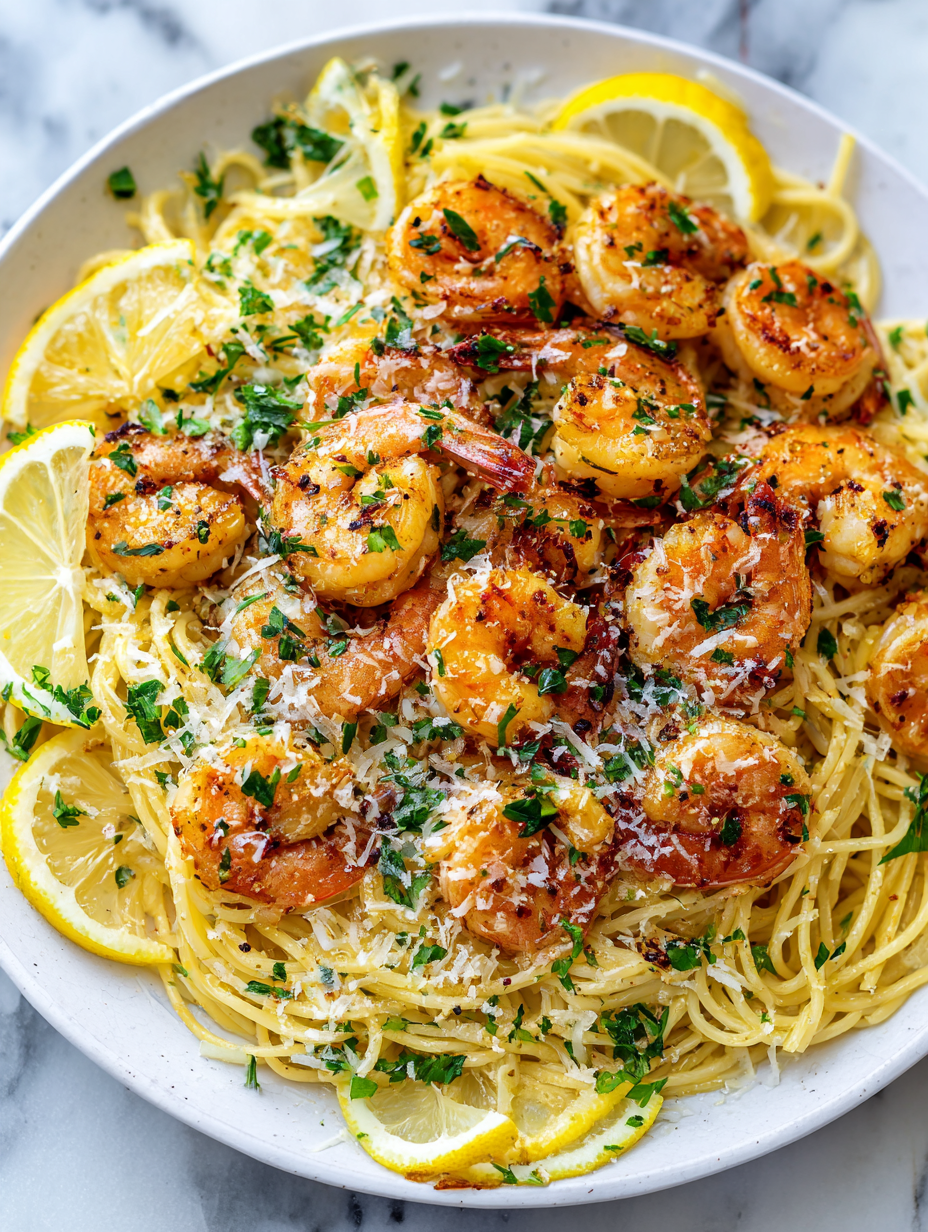
Garlic Butter Shrimp Pasta
Ingredients
Equipment
Method
- Cook a large pot of salted water to a rolling boil. Add the pasta and cook until just al dente, about 8 minutes. Drain, reserving ½ cup of pasta water, and set aside.
- While the pasta cooks, heat a large skillet over medium-high heat. Add a tablespoon of butter and let it melt and foam, filling the kitchen with a nutty aroma.
- Add the shrimp to the skillet in a single layer. Sear for about 2-3 minutes per side until pink and opaque, then transfer to a plate using a slotted spoon. Keep the skillet warm but remove the shrimp to prevent overcooking.
- Reduce the heat to medium and add another tablespoon of butter to the same skillet. Once melted, add the minced garlic and sauté until fragrant, about 30 seconds, until you hear a gentle sizzle and see the garlic turn golden.
- Pour in the white wine (if using) and let it simmer for about a minute, allowing the alcohol to evaporate and the sauce to slightly reduce, filling the air with a fragrant aroma.
- Return the cooked shrimp to the skillet, tossing gently to coat them in the garlic butter sauce. Add the cooked pasta and stir to combine, ensuring each strand is coated with the sauce.
- Pour in the lemon juice and add a splash of reserved pasta water if the sauce feels too thick. Stir well, letting the butter coat everything evenly and create a silky finish.
- Season with salt and freshly ground pepper to taste. Add chopped parsley and toss again to distribute the herbs evenly.
- Remove from heat and let the pasta sit for a minute to settle. Serve immediately, garnished with extra parsley or lemon zest if desired, for a fresh, vibrant finish.
Tips & Tricks for Perfect Sauce
- Bolded mini-head: Use high heat when searing shrimp for a quick, caramelized exterior with a tender inside.
- Bolded mini-head: Let butter foam fully before adding garlic to release its fragrant oils and avoid burning.
- Bolded mini-head: Toss pasta in the sauce off heat to prevent overcooking and keep the sauce silky.
- Bolded mini-head: Add reserved pasta water gradually, stirring constantly, until the sauce reaches your desired consistency.
- Bolded mini-head: Squeeze lemon juice at the end to brighten the flavor without dulling the richness.
- Bolded mini-head: Use fresh herbs as the finishing touch to add vibrant color and aroma, not dried herbs which can taste dull.
- Bolded mini-head: Keep an eye on shrimp; they cook quickly—once pink and opaque, remove immediately to prevent overcooking.
Common mistakes and how to fix them
- FORGOT to adjust heat after adding butter—do so to prevent burning.
- DUMPED in all garlic at once—sauté slowly for aroma, not bitterness.
- OVER-TORCHED butter—remove from heat immediately to avoid a burnt flavor.
- MISSED the pasta water reserve—use it to loosen sauce and improve cling.
Quick fixes and pantry swaps
- When sauce looks greasy, splash in a bit more pasta water to loosen and shimmer.
- If shrimp are overcooked and tough, quickly reheat in warm butter to regain juiciness.
- DUMPED in all garlic at once? Turn down heat, sauté slowly to avoid bitterness, then add butter.
- Splash a squeeze of lemon when sauce is too dull—brightens flavor instantly.
- Patch a broken sauce by whisking in a tiny cold cube of butter to emulsify.
Prep, store, and reheat tips
- Prep the pasta: Cook until just al dente, then toss with a little oil to prevent sticking. Store in an airtight container for up to 24 hours.
- Peel and devein shrimp ahead: Keep chilled in a sealed container, use within 24 hours for best freshness and sweetness.
- Make the sauce in advance: Prepare butter and garlic base, then refrigerate in a jar for up to 2 days. Reheat gently, adding a splash of water to loosen.
- Reheat with care: Gently warm in a skillet over low heat, stirring often. Add a small pat of butter or lemon juice to refresh the flavor and aroma.
- Flavor changes over time: The butter sauce may become slightly thicker and less vibrant after storage. Fresh herbs and lemon just before serving brighten it up.
Top questions about shrimp butter pasta
1. What size shrimp works best?
Use large, deveined shrimp for a juicy bite and quick cooking, about 2-3 minutes per side until pink.
2. Can I use margarine instead of butter?
Butter is key for that silky, rich sauce. Unsalted is better to control salt, but salted works too.
3. When should I add lemon?
Add lemon juice at the end to brighten the flavors and balance the richness of the butter sauce.
4. How do I keep the pasta from getting mushy?
Cook pasta until just al dente, then toss with the sauce immediately to prevent sticking and overcooking.
5. Can I omit the wine?
White wine adds depth; if you skip it, replace with chicken broth or extra lemon juice for brightness.
6. Can I use dried herbs instead of fresh?
Fresh parsley adds a herbal lift and color, but basil or chives can be good substitutes if you prefer different herbs.
7. How hot should the pan be?
Use high heat when searing shrimp for a quick, caramelized exterior and tender inside, about 180°C/356°F.
8. Why save pasta water?
Reserve some pasta water before draining; it’s perfect for loosening the sauce to coat everything evenly.
9. How do I store leftovers?
Store cooked shrimp and sauce separately in the fridge for up to 24 hours; reheat gently in a pan.
10. My sauce looks oily, what now?
If sauce separates or looks greasy, splash in a bit more pasta water and stir well to re-emulsify.
This dish is a reminder that simple ingredients, when treated with care, can become truly satisfying. The buttery sauce, infused with garlic and lemon, makes every bite feel like a small celebration. It’s the kind of meal that feels both quick and indulgent, perfect for those busy nights.
Sometimes, it’s the straightforward stuff that sticks with you—the smell of garlic filling the kitchen, the tender shrimp, the silky sauce coating every strand of pasta. It’s honest comfort food, made with a little love and a lot of good flavors. That’s what makes this recipe stay in my rotation, no matter the season.

Hi, I’m Katie Dawson, the owner, cook, and storyteller behind Little More Lovely. I run a small café in a cozy corner of Seattle, where the smell of freshly baked bread meets the hum of neighborhood chatter. I’ve spent years learning how food can bring people together, both as a professional and as someone who loves to share meals with family and friends.