
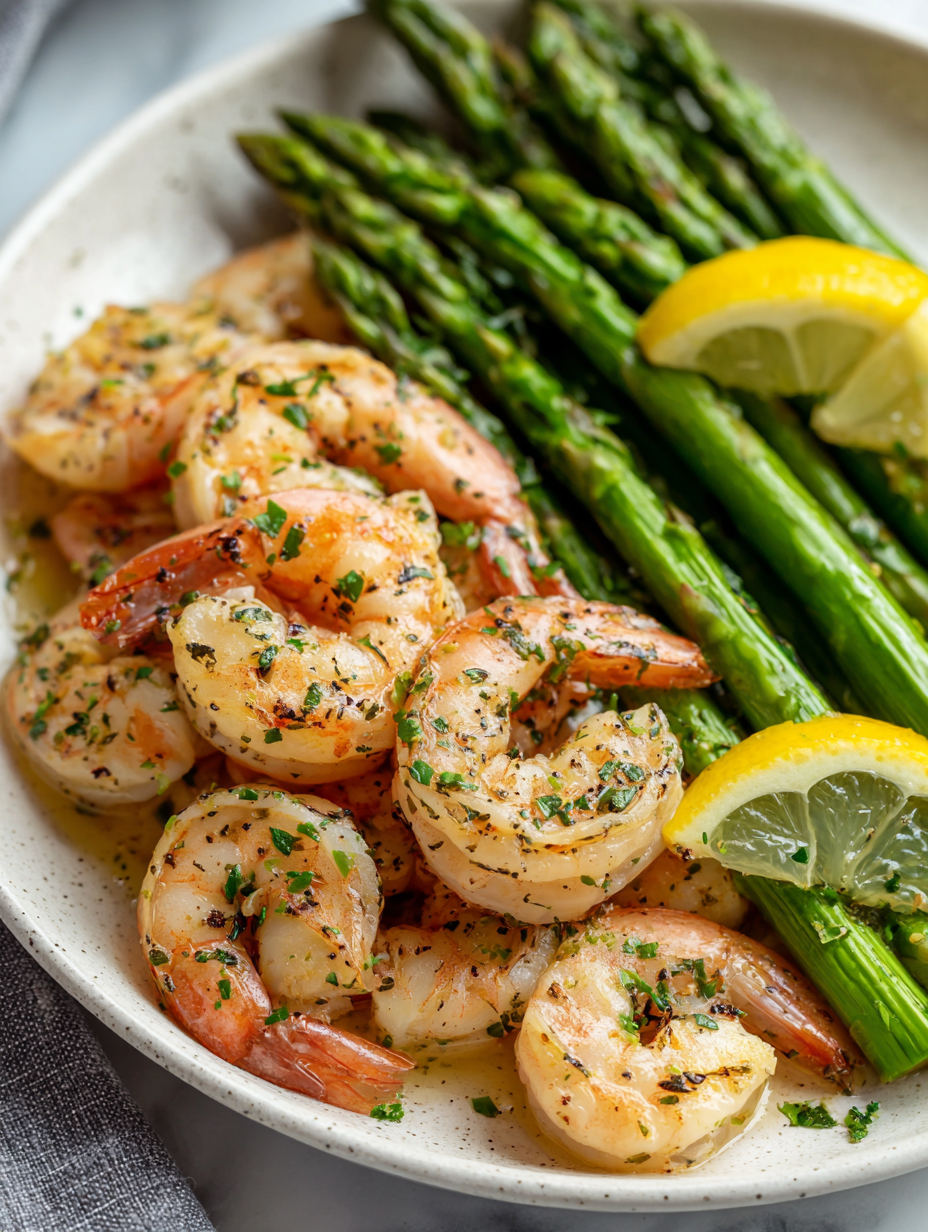
This shrimp and asparagus recipe is a quiet celebration of simple ingredients. No fancy sauces, no complicated techniques—just fresh shrimp, crisp asparagus, and a little garlic. It’s the kind of dish that feels like a small victory, especially when you’ve got a busy week and need something quick but satisfying.
What I love most is how the textures play off each other. The shrimp get that tender, slightly caramelized bite, while the asparagus stays bright and slightly chewy. When cooked carefully, each element keeps its personality, yet they come together effortlessly, making every bite feel thoughtful without fuss.
It’s a reminder that sometimes, the best meals are the simplest. A little oil, a hot pan, and a focus on good ingredients. That’s how I like to keep my cooking honest—where flavors shine through without a lot of distraction. Perfect for a quick dinner or a casual weekend lunch.
Focusing on the overlooked beauty of simple ingredients—how shrimp and asparagus, when cooked with care, can showcase contrasting textures and vibrant flavors that elevate everyday meals.
Celebrating Simplicity in Every Bite
- Cooking this dish always reminds me of lazy summer nights on the porch, the smell of garlic and charred asparagus filling the air.
- I’ve felt proud when I catch that perfect pink hue on the shrimp, a sign they’re just right—not overcooked, tender and juicy.
- There’s a quiet joy in pulling this together quickly, knowing it’s full of fresh flavors that don’t need much fuss.
- Sometimes, I get a little nostalgic, thinking about family dinners where this simple combo brought everyone to the table with smiles.
- It’s a dish that’s saved me more than once when I needed something nourishing and straightforward after a long day.
The inspiration behind this dish
This dish came together one evening when I was craving something quick, bright, and full of texture. I had some fresh shrimp and a bunch of asparagus sitting in the fridge, and I realized they’d work beautifully together—simple, honest ingredients that don’t need much fuss. It’s become a go-to when I want a meal that feels both satisfying and effortlessly elegant. Sometimes, I think the best recipes are born from those little moments of improvisation in the kitchen, when everything just clicks.
Contextual origin, trivia, or history
- This dish harks back to coastal Mediterranean kitchens where quick, fresh seafood and greens were staples, embracing simplicity and seasonal ingredients.
- In some Asian cuisines, shrimp and asparagus are stir-fried together as a quick, vibrant dish reflecting both ocean and garden flavors.
- The pairing of shrimp and asparagus gained popularity in Western home cooking during the early 2000s as part of a trend towards lighter, healthier meals.
- Asparagus was once considered a delicacy reserved for royalty, and combining it with shrimp elevates everyday dining into something special.
- This recipe exemplifies how humble ingredients can be transformed with minimal effort into a dish that feels both refined and comforting.
Ingredient breakdown: key components
- Shrimp: I prefer deveined, tail-off shrimp; they cook quickly and stay tender with a slight chew—look for pink, opaque flesh that jiggles just right. Swap for scallops if you want a richer bite, but adjust cooking time. They’re the star, so freshness matters.
- Asparagus: I like it thin and tender-crisp; it adds a bright, slightly earthy flavor. Thicker stalks can be tough—trim or peel if needed. For a smoky undertone, toss the spears on the grill briefly before adding to the pan. Bright green and slightly blistered is perfect.
- Garlic: I use plenty of fresh garlic, minced fine—its aroma turns sweet and nutty as it cooks. If you’re sensitive to garlic, reduce it or try shallots for a milder sweetness. It’s the aromatic backbone of this dish.
- Olive oil: I choose a good-quality extra virgin for a fruity, slightly peppery note. For a richer flavor, a splash of butter at the end adds a velvety finish. Keep it hot enough to shimmer but not smoke—about 180°C (355°F).
- Lemon: I always add fresh lemon juice and zest—brightens everything with a zing that cuts through the richness. Skip if you prefer a milder, earthier profile, but don’t skip the zest; it’s the secret spark.
- Salt and pepper: I season generously, especially during cooking—sea salt enhances sweetness, black pepper adds a subtle heat. Adjust to taste after tasting the finished dish, especially if your shrimp are already salty.
Spotlight on key ingredients
Shrimp:
- I prefer deveined, tail-off shrimp; they cook quickly and stay tender with a slight chew—look for pink, opaque flesh that jiggles just right. Swap for scallops if you want a richer bite, but adjust cooking time. They’re the star, so freshness matters.
- It’s the core of this dish, and fresh, well-sourced shrimp make all the difference in flavor and texture.
Asparagus:
- I like it thin and tender-crisp; it adds a bright, slightly earthy flavor. Thicker stalks can be tough—trim or peel if needed. For a smoky undertone, toss the spears on the grill briefly before adding to the pan. Bright green and slightly blistered is perfect.
- The asparagus’s snap and grassy aroma bring a lively contrast to the succulent shrimp, especially when lightly charred.
Notes for ingredient swaps
- Seafood Swap: Scallops or firm white fish can replace shrimp, offering a milder, slightly sweeter taste, but cook a bit less to prevent overcooking.
- Vegetable Swap: Green beans or snap peas can stand in for asparagus, adding their own crisp, fresh bite—adjust cooking time accordingly.
- Oil Choice: Avocado or grapeseed oil can replace olive oil, providing a neutral flavor but slightly less aromatic note.
- Lemon Alternative: Lime or vinegar (a splash) can brighten the dish with a different citrus or tangy twist, though may alter the overall freshness.
- Garlic Sub: Shallots or garlic powder can be used if fresh isn’t available—less pungent, so use slightly more for depth.
- Herb Boost: Fresh parsley or dill can add brightness, but dried herbs won’t deliver the same vibrant aroma—add at the end for best flavor.
- Salt & Pepper: Sea salt and freshly ground black pepper are best, but seasoned salt or chili flakes can add extra layers of flavor if desired.
Equipment & Tools
- Large skillet: For cooking the shrimp and asparagus evenly.
- Spatula or tongs: To flip and toss the ingredients without breaking them.
- Measuring spoons and zester: To measure lemon juice and zest precisely.
- Knife and cutting board: For trimming and mincing ingredients.
Quick guide to shrimp and asparagus
- Gather all your ingredients: peeled and deveined shrimp, thin asparagus, garlic, lemon, olive oil, salt, and pepper. Have a large skillet ready, preferably non-stick or cast iron, and a spatula or tongs for flipping.
- Trim the asparagus: snap off the woody ends, then cut into 2-inch pieces. Mince 3 cloves of garlic and zest half a lemon. Set everything aside.
- Heat your pan over medium-high heat until it shimmers—about 2 minutes. Add 2 tablespoons of olive oil and let it get hot, just until it starts to shimmer but not smoke.
- Add the asparagus: spread in an even layer. Cook for about 3 minutes, stirring occasionally, until they start to blister and turn a little golden. They should be tender but still crisp. Season lightly with salt.
- Push asparagus to one side of the pan. Add the shrimp in a single layer—don’t overcrowd. Cook for 2-3 minutes on one side, until they turn pink and start to curl. Flip and cook the other side for another 2 minutes. If the shrimp stick or brown unevenly, adjust heat or add a splash more oil.
- Add the minced garlic: stir quickly for about 30 seconds until fragrant and slightly golden. Be careful not to burn it. If garlic starts to brown too fast, lower the heat slightly.
- Squeeze half a lemon over the shrimp and asparagus, then sprinkle with lemon zest. Toss everything together gently to combine flavors. Cook for another 30 seconds to meld.
- Check for doneness: shrimp should be opaque and firm, asparagus tender-crisp, and garlic fragrant. If shrimp are still translucent, cook for an extra minute. If asparagus is too soft, remove from heat sooner.
- Remove from heat. Rest the dish for 1-2 minutes to allow flavors to settle. Plate immediately, garnishing with a final squeeze of lemon if desired.
Serve immediately on a warm plate. Garnish with extra lemon zest or herbs if desired. Enjoy the contrasting textures and bright flavors right away while fresh.
How to Know It’s Done
- Shrimp is opaque and firm, with a slight bounce when pressed.
- Asparagus is bright green and tender but not mushy.
- Aromas should be garlic and lemon, fragrant and inviting.
Shrimp and Asparagus
Ingredients
Equipment
Method
- Start by heating your large skillet over medium-high heat until it shimmers, and add the olive oil, swirling to coat the bottom evenly. Once hot, add the asparagus pieces in a single layer and cook for about 3 minutes, stirring occasionally, until they start to blister and turn a little golden—bright green and slightly tender.
- Push the asparagus to one side of the pan and arrange the shrimp in a single layer on the cleared side. Cook for 2-3 minutes without moving them, until they turn pink and start to curl, then flip with tongs and cook for another 2 minutes until evenly pink and opaque.
- Add the minced garlic to the pan, stirring quickly for about 30 seconds until fragrant and slightly golden, being careful not to burn it. The aroma should be nutty and inviting. Squeeze half of the lemon over the shrimp and asparagus, then sprinkle in the lemon zest.
- Toss everything gently in the pan to coat evenly with the garlic and lemon juice. Cook for another 30 seconds to let the flavors meld, and check that the shrimp are fully opaque and the asparagus is tender-crisp. Adjust seasoning with salt and pepper to taste.
- Remove the skillet from heat and give everything a final squeeze of fresh lemon juice for brightness. Plate the shrimp and asparagus immediately, garnishing with additional lemon zest or herbs if desired. Serve hot while the flavors are fresh and vibrant.
Pro tips for perfect shrimp and asparagus
- Bolded Mini-Head: Use high heat to sear the shrimp quickly, locking in juices and developing a slight caramelization.
- Bolded Mini-Head: Don’t overcrowd the pan; cook in batches if needed to keep the temperature consistent and prevent steaming.
- Bolded Mini-Head: Add garlic towards the end of cooking—this prevents burning and keeps its aroma bright and fresh.
- Bolded Mini-Head: Squeeze lemon juice right after removing from heat—this brightens flavors and prevents bitterness.
- Bolded Mini-Head: For extra crisp asparagus, toss on the grill for 1-2 minutes before adding to the pan—adds smoky depth.
- Bolded Mini-Head: Keep an eye on the shrimp—once pink and opaque, they’re done; overcooking makes them rubbery.
- Bolded Mini-Head: Use tongs for flipping and tossing—gentle handling preserves the delicate texture of shrimp and asparagus.
Common mistakes and how to fix them
- FORGOT to preheat pan → Always heat until shimmering before adding ingredients.
- DUMPED too much oil → Use just enough to coat the pan lightly for proper searing.
- OVER-TORCHED garlic → Add garlic later; burn it to avoid bitterness.
- UNDER-seasoned at the end → Taste and adjust salt and lemon for balanced flavor.
Quick kitchen fixes
- When shrimp curl tightly, they’re overcooked; rescue with a quick splash of broth and serve immediately.
- Splash a little water if pan smokes; it cools the heat and prevents burning garlic.
- Patch dull asparagus with a squeeze of lemon or a sprinkle of flaky salt for extra vibrancy.
- Shield delicate shrimp from direct flame if they start to brown too fast—move to cooler part of pan.
- If pantry runs low on olive oil, use a neutral vegetable oil—shimmering finish still works, just less fruity.
Prep, store, and reheat tips
- Prep the shrimp: peel, devein, and keep refrigerated for up to 24 hours. The fresh scent of ocean should still be noticeable when cooked.
- Trim and blanch asparagus: wash thoroughly, trim woody ends, then blanch in boiling water for 1-2 minutes. Store in an airtight container for up to 2 days; it should stay crisp and vibrant.
- Mince garlic and zest lemon ahead: keep in small containers in the fridge for up to 24 hours. The garlic aroma should be sharp and fresh upon use.
- Cooked shrimp reheats well in a hot skillet with a splash of oil or butter. Reheat until steaming hot, about 2 minutes; avoid overcooking to prevent rubberiness.
- Lemon juice and zest are best added fresh, but can be prepared a few hours ahead. The bright citrus aroma dulls slightly with time, so add just before serving.
Top questions about shrimp and asparagus
1. How can I tell if shrimp are fresh?
Look for shrimp that are pink, opaque, and firm to the touch. They should jiggle slightly when you press them. Freshness makes a big difference in flavor and texture.
2. What kind of asparagus works best?
Choose thin, tender asparagus with bright green color. The stalks should snap easily when bent. Thicker ones can be tough, so trim and peel if necessary.
3. Can I use garlic powder instead of fresh garlic?
Use garlic cloves that are plump and fragrant. Mince them finely to release their aroma. If you prefer milder flavor, shallots are a softer alternative.
4. How do I know when the shrimp and asparagus are done?
The key is to cook the shrimp until they turn pink and are just opaque—about 2-3 minutes per side in a hot pan. Asparagus should be tender but still crisp, about 3 minutes.
5. How much lemon should I add?
A splash of lemon juice brightens the dish instantly. Use freshly squeezed lemon for the best flavor. Zest adds a fragrant citrus note that lifts everything.
6. What oil should I use for cooking?
Olive oil should shimmer but not smoke. About 2 tablespoons is enough to sear the ingredients without making them greasy. For richer flavor, add a pat of butter at the end.
7. How can I prevent overcooking the shrimp?
To avoid overcooking, keep an eye on the shrimp—they turn pink and firm quickly. Asparagus should be bright green and slightly blistered for flavor and texture.
8. What if my garlic burns?
If the garlic starts to brown too fast, lower the heat immediately. Burnt garlic tastes bitter and can ruin the dish. Add garlic later in the cooking process.
9. How long can I store leftovers?
Store raw shrimp in the fridge for up to 24 hours, covered tightly. Cooked leftovers can be refrigerated for 1-2 days, reheated in a hot skillet until steaming.
10. What quick fix if my dish turns out dull?
If the pan smokes, splash a bit of water to cool it down. For dull asparagus, a squeeze of lemon or a pinch of flaky salt can revive its vibrant flavor.
This dish is a reminder that simplicity can be deeply satisfying, especially when fresh ingredients are treated with gentle care. The bright aroma of lemon, the tender bite of shrimp, and the crispness of asparagus come together quickly, making it perfect for busy nights or casual lunches.
Sometimes, all it takes is a hot pan and a few good ingredients to turn a simple meal into something memorable. It’s these little moments in the kitchen—where flavors shine and the process feels honest—that keep me coming back to the basics, rediscovering their quiet beauty.

Hi, I’m Katie Dawson, the owner, cook, and storyteller behind Little More Lovely. I run a small café in a cozy corner of Seattle, where the smell of freshly baked bread meets the hum of neighborhood chatter. I’ve spent years learning how food can bring people together, both as a professional and as someone who loves to share meals with family and friends.