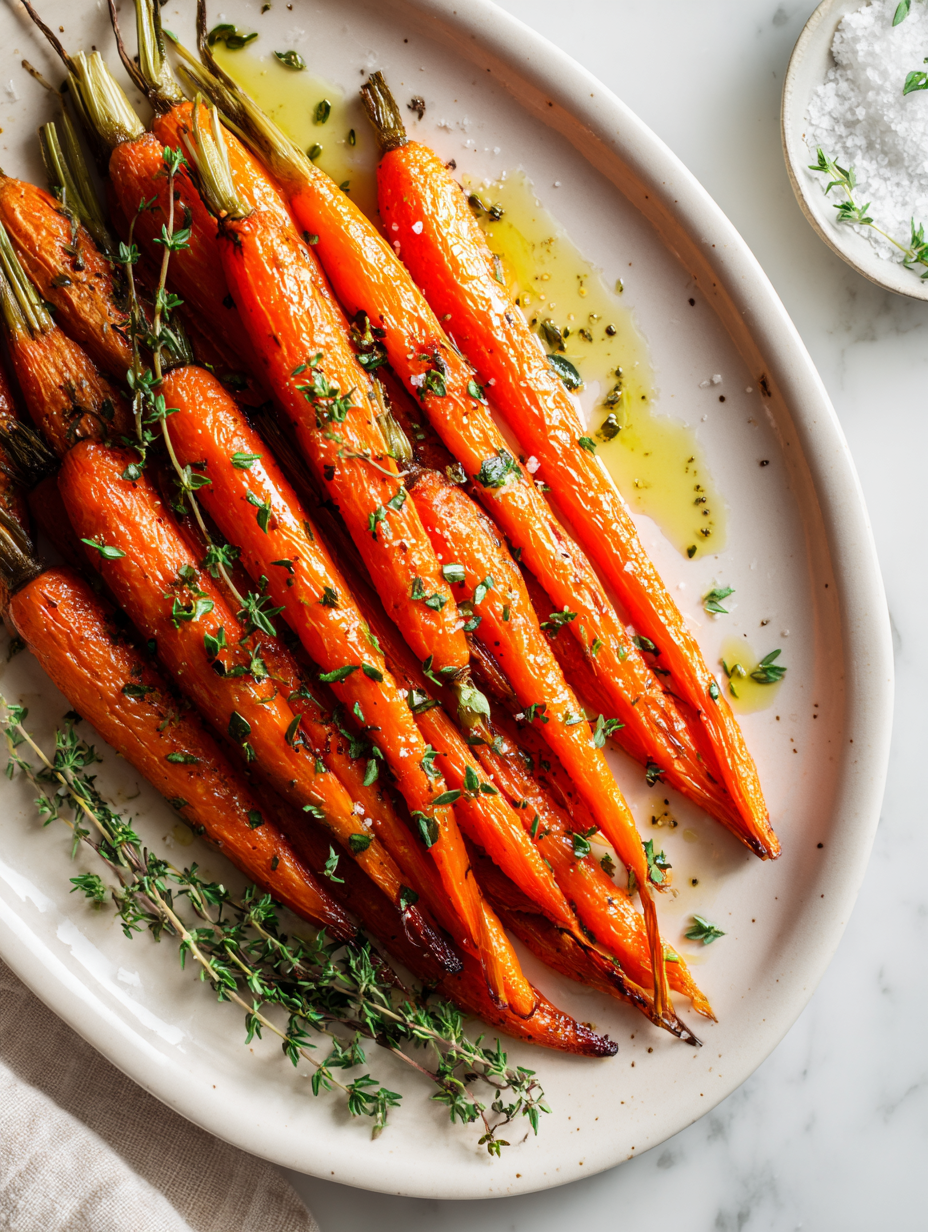
There’s a quiet magic in those caramelized edges of roasted carrots, especially when kissed with thyme and olive oil. It’s not about fancy ingredients, but about how simple, humble carrots can become something deeply smoky and sweet, almost like a little bit of autumn on your plate. I find myself reaching for this recipe when I want comfort that’s honest and straightforward, yet unexpectedly layered.
I first stumbled upon this combo during a rushed weeknight, trying to make something that felt special without much fuss. The smell of toasted thyme and roasting carrots filled the kitchen—those rich, earthy notes blooming as they caramelized. It’s a reminder that sometimes, the simplest dishes carry the most soul, especially when you let the edges get just a little charred, just enough to deepen the flavor.
Focusing on the overlooked beauty of caramelized edges and how they transform humble carrots into a smoky, sweet side that elevates any meal.
The story behind this recipe
One rainy afternoon, I was looking for something cozy but didn’t want to fuss. I had a bunch of carrots sitting in the fridge and a sprig of thyme that needed using. As they roasted, the smell of caramelizing edges and fragrant herbs filled the kitchen, sparking a memory of childhood garden walks. That simple, rustic aroma made me realize how humble ingredients can surprise you with deep, layered flavor when treated right.
Ingredient breakdown
- Carrots: I love choosing firm, vibrant ones—they get sweet and caramelized, especially when roasted at high heat. Try thicker carrots for more texture; thinner ones can overcook fast.
- Thyme: Fresh thyme adds a fragrant, slightly lemony note that really lifts the dish. Dried thyme works in a pinch, but use less—its flavor is more concentrated and can overpower if too much.
- Olive Oil: Good extra virgin olive oil is the secret to a rich, glossy coating. If yours is too mild, a splash of robust flavored oil can add depth, but steer clear of cheap oils to avoid a dull finish.
- Salt: I prefer flaky sea salt for that burst of crunch and brightness. Adjust the amount based on your taste—too much can overshadow the caramelized sweetness, so taste as you go.
- Black Pepper: Freshly cracked pepper adds a subtle heat and complexity. Don’t skip it; it’s the final touch that rounds out the sweetness with a smoky kick.
- Optional Add-ons: A drizzle of balsamic vinegar or a sprinkle of feta can add a tangy contrast. Use these sparingly—they’re the finishing touches, not the main act.
Spotlight on key ingredients
Carrots:
- I pick firm, bright carrots; their natural sugars deepen as they roast, turning sweet and slightly smoky. Thicker ones hold texture better, but thinner ones caramelize faster.
- Thyme: Fresh thyme adds a lemony, earthy aroma that blooms during roasting. Dried thyme works too—use less, as it’s more concentrated and can overpower if overused.
Thyme:
- Olive Oil: Good extra virgin olive oil makes the carrots glossy and rich. When heated, it releases fragrant, toasted notes—skip cheap oils, or the flavor dulls and the finish feels flat.
- ingredient
Notes for ingredient swaps
- Dairy-Free: Skip butter or cheese—keep the focus on smoky, caramelized carrots with just herbs and oil.
- Vegan: Use a splash of balsamic vinegar or a touch of maple syrup instead of honey—adds a tangy, sweet contrast.
- Herb Swap: Swap thyme for rosemary or oregano—each brings a different aromatic punch, but keep the same roasting method.
- Oil Choice: Use avocado oil or toasted sesame oil—these add nutty, smoky notes that complement the carrots’ sweetness.
- Salt Alternatives: Sea salt flakes are ideal, but Himalayan pink salt or even a pinch of smoked salt can add a different dimension.
- Pepper Options: White pepper for a milder heat, or a pinch of red pepper flakes for a spicy kick—adjust to your mood.
- Extra Flavor: Finish with a squeeze of lemon or a drizzle of honey—these brighten or deepen the roasted flavor profile.
Equipment & Tools
- Baking sheet: For roasting the carrots evenly in a hot oven.
- Mixing bowl: To toss carrots with oil and seasonings thoroughly.
- Sharp knife: To cut carrots into uniform sticks for even cooking.
- Spatula or tongs: To spread and turn carrots during roasting.
Step-by-step guide to roasted carrots
- Preheat your oven to 200°C (390°F). Gather a baking sheet, a mixing bowl, and a sharp knife. The oven’s warmth will caramelize the carrots, so get it hot early.
- Peel the carrots if you prefer, then cut them into uniform sticks about 2 inches long. This ensures even roasting and caramelization. Toss them in a bowl with 2-3 tablespoons of good olive oil.
- Add a generous pinch of flaky sea salt, a few sprigs of fresh thyme (or 1 teaspoon dried), and a crack of black pepper. Mix well—make sure each piece is coated with oil and herbs.
- Spread the carrots in a single layer on the baking sheet. Don’t crowd them; space is key for caramelization. Pop into the oven for 25-30 minutes. Shake the pan halfway through.
- Watch for edges turning deep amber—those caramelized bits are what you’re after. The carrots should be tender when poked with a fork but still hold their shape.
- Once roasted, remove from oven. Let them sit for 2-3 minutes to settle and finish developing flavor. Drizzle with a bit more olive oil or a splash of balsamic if desired.
- Plate the carrots, garnishing with fresh thyme if you like. Serve warm, ideally with a little extra flaky salt on top. Enjoy the smoky, sweet aroma filling your kitchen.
Let the carrots rest for a couple of minutes after roasting. Finish with an extra sprinkle of flaky salt or fresh herbs. Serve warm, enjoying the contrast of crispy edges and tender insides.
How to Know It’s Done
- Edges are deeply caramelized, dark amber, and slightly crispy.
- Carrots are tender but not mushy, with a slight jiggle when lifted.
- Herbs release fragrant aroma and cling to the carrots without burning.
Roasted Carrots with Thyme and Olive Oil
Ingredients
Equipment
Method
- Preheat your oven to 200°C (390°F) and gather your baking sheet, mixing bowl, and sharp knife. The oven's warmth will help caramelize the carrots beautifully.
- Peel the carrots if you prefer, then cut them into uniform sticks about 2 inches long. This ensures even roasting and caramelization, creating crispy edges and tender insides.
- Pour the carrots into the mixing bowl, then drizzle with 2-3 tablespoons of olive oil. Toss gently to coat each piece evenly with the oil, ensuring they get a glossy finish.
- Add a teaspoon of fresh thyme, a pinch of flaky sea salt, and a crack of black pepper. Toss again to distribute the herbs and seasonings thoroughly.
- Spread the carrots in a single layer on the baking sheet, giving them space to caramelize without crowding. Place in the oven and roast for 25-30 minutes, shaking or turning halfway through.
- Watch as the edges turn deep amber and slightly charred, filling the kitchen with a smoky, sweet aroma. The carrots should be tender when tested with a fork.
- Remove the baking sheet from the oven, and let the carrots sit for a few minutes to settle and develop even more flavor. Drizzle with additional olive oil or a splash of balsamic vinegar if desired.
- Garnish with extra flaky salt or fresh thyme, then serve warm to enjoy their smoky sweetness and crispy edges.
Notes
Pro tips for perfect roasted carrots
- Bolded mini-head: Use high heat → Ensure your oven hits 200°C (390°F) for deep caramelization and crispy edges.
- Bolded mini-head: Toss thoroughly → Coat carrots evenly with oil and herbs to prevent uneven browning.
- Bolded mini-head: Watch for color → Carrots should be deep amber and slightly charred at the edges—don’t rush this step.
- Bolded mini-head: Shake midway → Turn carrots halfway through roasting for uniform caramelization on all sides.
- Bolded mini-head: Rest briefly → Let the carrots sit 2-3 minutes post-roast to develop flavor and settle their structure.
- Bolded mini-head: Season last → Add extra flaky salt or herbs after roasting to enhance flavor without losing crunch.
- Bolded mini-head: Use fresh thyme → Fresh herbs release vibrant aroma; dried works but won’t have the same bright punch.
Common mistakes and how to fix them
- FORGOT to check oven temperature → Use an oven thermometer for accuracy.
- DUMPED the carrots directly on hot pan → Spread evenly to prevent steaming and promote caramelization.
- OVER-TORCHED the edges → Reduce heat slightly or cover edges with foil if burning occurs.
- SKIPPED seasoning step → Always taste and adjust salt and herbs before roasting for balanced flavor.
Quick fixes and pantry swaps
- When carrots burn, splash a little water in the pan to stop charring.
- If carrots are too soft, reduce roasting time or lower oven temperature slightly.
- Dumped too much oil? Wipe excess with a paper towel before roasting again.
- Over-torched edges? Shield with foil and turn down the heat for the next batch.
- When aroma is faint, boost oven heat or extend roasting time for deeper caramelization.
Prep, store, and reheat tips
- Peel and cut the carrots a day ahead; store in an airtight container in the fridge. They’ll stay firm and fresh for up to 24 hours.
- Roasted carrots can be made a day in advance. Keep them in an airtight container in the fridge for up to 2 days. Reheat gently to preserve their texture.
- Reheating in the oven at 180°C (350°F) for 5-7 minutes restores some of the original caramelized crispness. Watch for moisture; if they seem soggy, give them a quick blast under the broiler for a minute.
- The flavors deepen slightly overnight, so expect a more intense herb and smoky note after storage. The texture remains tender but may lose some of the initial crispness.
Top questions about roasted carrots
1. How do I pick the best carrots for roasting?
Look for carrots that are firm, crisp, and bright orange. The fresher, the better—they caramelize more evenly.
2. What kind of olive oil is best?
Use good quality extra virgin olive oil; it melts into the carrots, adding richness and depth. Avoid cheap oils that taste flat.
3. Should I salt the carrots before roasting?
A pinch of flaky sea salt enhances sweetness and adds crunch. Adjust to your taste, but don’t skip it.
4. Can I use dried thyme instead of fresh?
Fresh thyme adds a bright, lemony aroma. Dried thyme works, but use half as much to avoid overpowering.
5. How do I know when the carrots are done?
Roast until edges are deep amber and slightly crispy, about 25-30 minutes at 200°C (390°F). Check for tenderness with a fork.
6. What if the edges burn too quickly?
If they look burnt or blackened, reduce oven heat or cover with foil. Stir or shake the pan midway for even color.
7. How long can I keep roasted carrots in the fridge?
Store leftovers in an airtight container in the fridge for up to 2 days. Reheat gently to keep texture intact.
8. How should I reheat roasted carrots?
Reheat at 180°C (350°F) for 5-7 minutes until warm and fragrant. A quick broil can restore crispy edges.
9. Can I add other flavors or toppings?
Yes, adding a splash of balsamic vinegar or lemon juice after roasting boosts brightness and enhances caramelized flavors.
10. What if my carrots turn too mushy?
Absolutely. Overcooked carrots become mushy and lose flavor. To fix, add a splash of water and quickly roast again, or serve immediately before they soften too much.
This dish captures the quiet magic of simple ingredients transforming under heat—those caramelized edges and fragrant thyme make every bite feel like a small celebration. It’s perfect for when you want to keep things honest and straightforward but still crave a dish that surprises with depth.
In times when a quick, honest side feels right, roasted carrots with thyme and olive oil remind me that the best flavors often come from patience and a little bit of heat. No fuss, just real, honest comfort that feels like a gentle reminder of home.
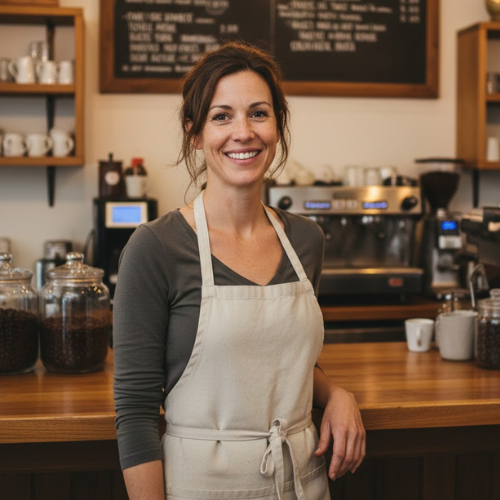
Hi, I’m Katie Dawson, the owner, cook, and storyteller behind Little More Lovely. I run a small café in a cozy corner of Seattle, where the smell of freshly baked bread meets the hum of neighborhood chatter. I’ve spent years learning how food can bring people together, both as a professional and as someone who loves to share meals with family and friends.