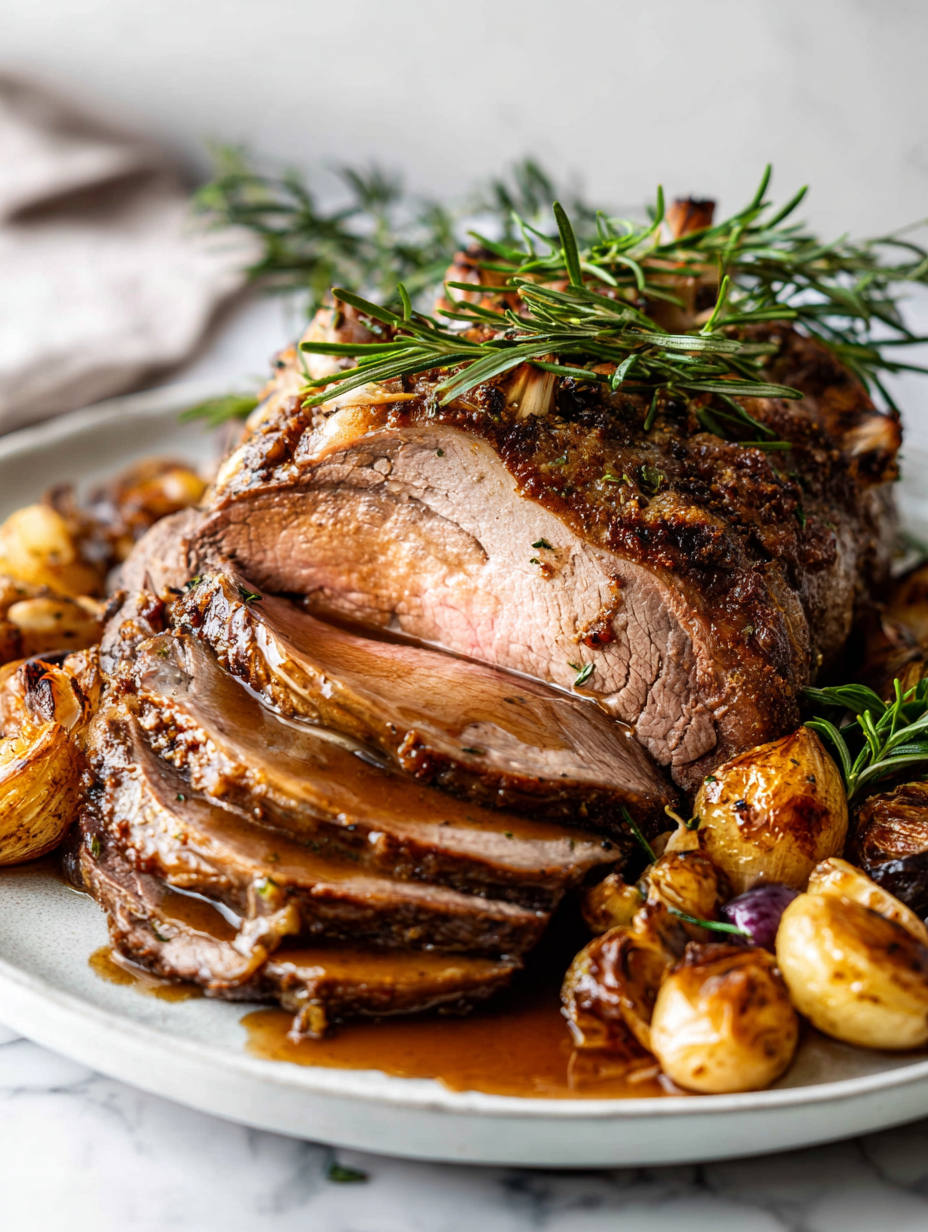
There’s something about a Christmas lamb roast that feels both grounding and festive, like a ritual handed down through generations. I love the way the aroma of roasting lamb fills the house, mingling with the scents of rosemary, garlic, and a hint of smoky char. It’s not just a meal; it’s an event that gathers everyone around the table, sharing stories and laughter.
For me, this roast is about more than tradition — it’s about savoring the messy, glorious process of cooking something special. I’ve tweaked my approach over the years, leaning into the unpredictable moments that make each roast unique. It’s honest, imperfect, and always worth the effort when you carve into that tender meat, still warm from the oven.
Why This Lamb Roast Always Calls Me Back
It’s the perfect way to mark the season, filling the house with that rich, roasted aroma that sparks nostalgia. Each time I make it, I find new ways to tweak the herbs or adjust the cook time, pushing its flavor even further. It’s honest, imperfect, and always a reminder of how simple ingredients can create something truly memorable. No matter how many times I cook it, that first carve still feels like a small celebration.
Core Ingredients for a Festive Roast
- Leg of lamb: The star of the show, I prefer a boneless leg for even roasting and easier carving. It’s juicy, with a rich, slightly gamey flavor that shines when cooked properly.
- Garlic: Peel and crush it to release that pungent aroma. It infuses the meat with a warm, savory depth that’s unmistakably festive.
- Fresh rosemary: A sprig or two of this herb adds a piney, aromatic note. I love the way it crispens up and releases a fragrant burst during roasting.
- Olive oil: Good quality, extra virgin. It helps the herbs and garlic stick, plus it crisps the outer layer beautifully, adding a subtle fruity richness.
- Sea salt and black pepper: Don’t skimp. The salt helps tenderize and flavor the meat, while cracked black pepper adds a gentle heat and smoky undertone.
- Lemon zest (optional): A bright, citrusy twist that cuts through the richness. I sometimes add it to my herb rub for a smoky, lemon-bright note.
- Red wine (for braising or sauce): A splash of robust red wine can elevate the gravy or serve as a quick marinade, adding depth and a hint of acidity.
Tools for a Perfect Lamb Roast
- Roasting pan: Holds the lamb and collects drippings for gravy.
- Meat thermometer: Ensures the lamb reaches perfect doneness without overcooking.
- Kitchen twine: Ties the roast for even cooking and a tidy presentation.
- Basting brush: Applies herbs, oil, or marinade evenly over the meat.
- Carving knife: Slices the meat cleanly, revealing tender, juicy slices.
- Cutting board: Provides a stable surface for carving and serving.
- Aluminum foil: Resting the roast loosely to keep it warm and juices in.
- Select a boneless leg of lamb, about 2-2.5 kg, and let it come to room temperature for an hour. This helps it cook evenly and makes carving smoother.
- Preheat your oven to 200°C (390°F). Gather your herbs and garlic. Mix crushed garlic, chopped rosemary, olive oil, salt, and pepper into a fragrant herb paste.
- Pat the lamb dry with paper towels. Rub the herb mixture all over, making sure to get into any crevices. Tie with kitchen twine if needed for even roasting.
- Place the lamb in a roasting pan. Roast for 20 minutes at 200°C (390°F) to develop a golden crust. Then, lower the temperature to 160°C (320°F).
- Continue roasting for about 1.5 to 2 hours, or until the internal temperature reaches 60-65°C (140-150°F) for medium-rare. Baste with juices every 20 minutes.
- Check the lamb’s color and juices. When the meat is deep golden and juices run clear, it’s almost done. Use a meat thermometer to confirm doneness.
- Remove the lamb from the oven. Cover loosely with foil and let it rest for at least 15 minutes. This redistributes juices, keeping the meat moist and tender.
- Slice against the grain, serve with your favorite sides, and enjoy the rich, roasted aroma filling your space. The meat should be juicy and tender, with a slight smoky crust.
Festive Roast Lamb
Ingredients
Equipment
Method
- Place the boneless lamb on a cutting board and let it sit at room temperature for about an hour. This helps it cook evenly and makes carving easier.
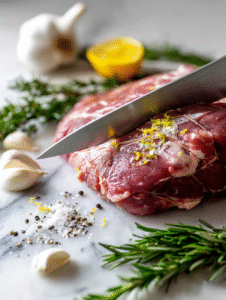
- Preheat your oven to 200°C (390°F). In a small bowl, combine crushed garlic, chopped rosemary, olive oil, salt, pepper, and lemon zest to create a fragrant herb paste.
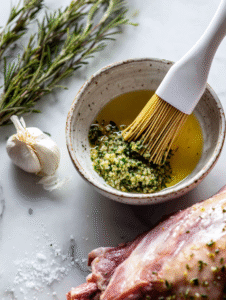
- Pat the lamb dry with paper towels. Rub the herb mixture all over the meat, pressing it into any crevices for full flavor coverage.
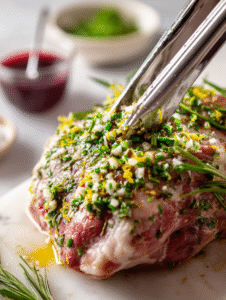
- Tie the lamb with kitchen twine if needed to ensure an even shape for roasting. Place it in a roasting pan, ready for the oven.
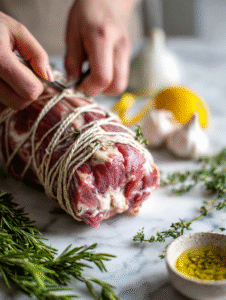
- Roast the lamb at 200°C for 20 minutes to develop a golden crust, then lower the oven temperature to 160°C (320°F).
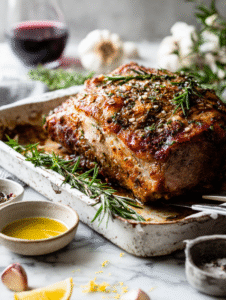
- Continue roasting for about 1.5 to 2 hours, basting with its juices every 20 minutes, until the internal temperature reaches 60-65°C (140-150°F), indicating medium-rare doneness.
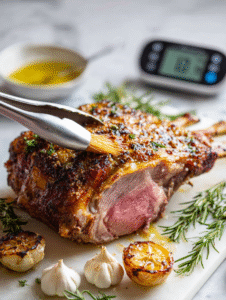
- Once cooked, check that the lamb is deep golden and juices run clear when pierced. Remove it from the oven and cover loosely with aluminum foil.
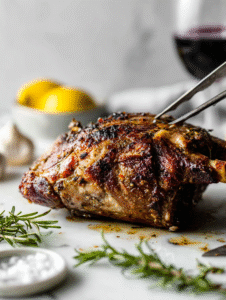
- Let the lamb rest for at least 15 minutes. This allows the juices to redistribute, resulting in tender, juicy slices.
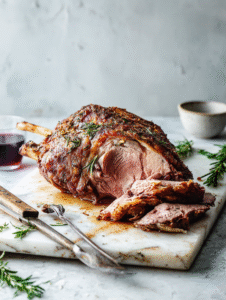
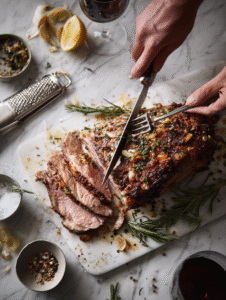
- Use a sharp carving knife to slice the lamb against the grain into thick, juicy slices. Serve immediately, showcasing the tender interior and caramelized exterior.
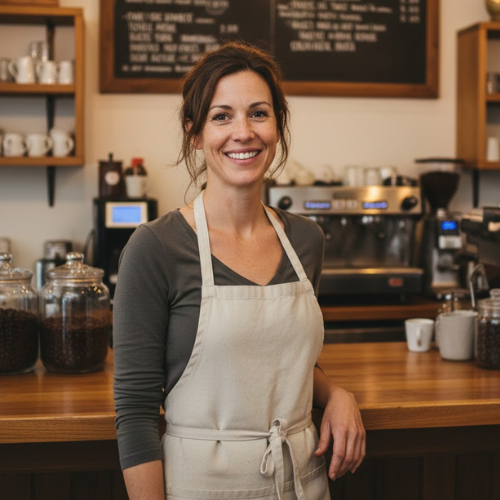
Hi, I’m Katie Dawson, the owner, cook, and storyteller behind Little More Lovely. I run a small café in a cozy corner of Seattle, where the smell of freshly baked bread meets the hum of neighborhood chatter. I’ve spent years learning how food can bring people together, both as a professional and as someone who loves to share meals with family and friends.